A liner is a skin, not a structure. It covers the wall and the floor, but it cannot repair them. When the walls are rusting or the floor gives underfoot, a new liner often fails early because the surface under it keeps moving. This is the part of a liner replacement that surprises homeowners most.
What Is Actually Under the Liner
In a steel-wall pool the vinyl sits against steel panels, usually over a wall foam or a smooth backer. In a polymer or concrete pool the wall is built differently. The floor is typically a troweled vermiculite and cement mix, a sand and cement base, or a concrete bottom. None of that is visible while the pool is full.
Draining the pool is the first real look at the shell. A soft floor usually means the base has broken down, washed out, or settled under the liner. A rusty wall usually means moisture has been sitting against a steel panel long enough to thin it.
Where Wall Rust Comes From
Steel panels do not rust for no reason. Something has been keeping them wet.
- A pinhole or seam leak that keeps one panel damp year round
- A failed gasket at a skimmer, return fitting or light
- Groundwater sitting against the wall in slow-draining clay soil
- Drainage that keeps the soil around the shell saturated after rain
- A panel that was already compromised when the last liner went in
Rust is more than cosmetic. A thinned panel cannot hold the liner or resist the pressure behind it the way a sound panel can. Filling a rusted section and covering it with a new liner is a short-term move that tends to come back within the life of the liner you just bought.
Why a Soft Floor Matters Just as Much
A floor that flexes, feels spongy, or has low spots under the liner usually means voids, breaks or washouts in the base. Dropping a new liner over an uneven or soft floor is risky. The liner can crease where the floor moves, and the floor keeps settling after the water is back in, which is exactly the condition that produces wrinkles in a new liner.
Common Hidden Repairs and What They Cost
These are the line items that appear once the shell is visible. None of them are liner costs, and none of them are covered by a liner warranty.
| Repair | Typical range |
|---|---|
| Floor patching or vermiculite repair | $150 to $3,000 |
| Skimmer and return fitting repairs | $100 to $400 |
| Spot repairs | $150 to $600 |
| Hidden costs found after drain-down | $400 to $2,000 added to the job |
Why the Inspection Window Is the Whole Game
The shell is only visible for the stretch between draining the pool and setting the new liner. Anything found in that window has to be decided on fast, which is why the surprise is so common: hidden costs found after drain-down can add $400 to $2,000 to a project that was quoted on the liner alone.
The practical answer is to agree on the rules before the water comes out. Who decides what gets repaired, how a price change gets approved, and whether repairs are itemised or bundled into one number. A homeowner who knows the range ahead of time can judge a quote on the spot instead of guessing.
Nashville and Davidson County: Why Shells Take a Beating
Davidson County soil is clay-heavy and drains slowly, so water tends to sit against the pool shell rather than move away. Clay also expands and contracts as it wets and dries, and that ground movement is a documented cause of damage to pool walls, floors and pipes. Add a wet winter and the same soil that holds water against a steel panel is also shifting the base underneath the floor.
Questions to Ask Before You Commit
- Will the shell be inspected after drain-down, before the liner is ordered or cut?
- Does the quote separate liner material, labour, old liner disposal, and repairs?
- How will the price change if a wall panel or the floor needs work, and who approves it?
- Are skimmer and return repairs priced separately, or included?
- What happens if a panel is too far gone to repair?
- Is the work liner-for-liner, or does anything trigger a Metro Nashville permit?
A liner-for-liner swap normally needs no permit in Tennessee. Replacing wall panels, changing the shell, adding a light, or touching the equipotential bonding does require a Metro Nashville permit and inspection, so scope changes can add time to the schedule as well as cost.
Frequently asked questions
Can a new liner be installed over a rusty wall?
It is done and sometimes it lasts, but a thinned or perforated panel is a structural problem rather than a cosmetic one. If the rust is surface-level, treatment and a backer may be enough. If the panel has lost strength, covering it with a new liner usually means revisiting the problem.
What causes a soft spot in a pool floor?
Usually a base that has settled, washed out or broken down. A slow leak, groundwater movement in clay soil, or simple age can all do it. The floor needs to be opened up and re-supported or re-floated rather than bridged over with new vinyl.
Is shell repair covered by a liner warranty?
No. Manufacturer liner warranties are pro-rated limited warranties that cover the liner sheet, exclude installation labour, and have nothing to do with the condition of walls, floors or plumbing. Installer workmanship cover, typically 1 to 3 years, also applies to the installation rather than pre-existing shell damage.
Should the pool be drained before the liner is ordered?
It is the only way to know what the shell looks like, but draining starts the clock. Most installers measure and check the pool, agree on what happens if repairs appear, then order the liner so the pool is not left open any longer than it needs to be.
How do I avoid a surprise bill mid-job?
Ask for an itemised quote and a written rule for approving repairs before the pool is drained. Hidden work typically adds $400 to $2,000, and knowing that range in advance is what keeps the decision quick and calm.
Sources
- Expansive soils and inground pools
- Building a pool in Nashville and Davidson County (clay soil)
- Angi pool liner cost 2026
- Home In Depth pool liner replacement cost 2026
Related
Pool liner services in Nashville
Pool Liner Replacement
A vinyl liner is the waterproof skin of the pool, and Nashville pools replace one every 5 to 15 years.
Vinyl Pool Liner
Almost every inground pool without a concrete or fibreglass finish is a vinyl-liner pool, and the liner is a consumable.
Inground Pool Liner
An inground liner is fabricated to your pool, not pulled off a shelf, so measurement quality decides the result.
Above Ground Pool Liner
Above-ground liners are the cheapest job in this niche and the one homeowners most often try themselves.
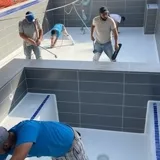
Pool Liner Repair
Not every liner problem needs a new liner, but the ones that cannot be repaired are usually the ones that get patched too long.
Pool Wall And Floor Repair
A new liner over a failing shell is money spent twice.
Areas we serve
Nashville
Pool liner replacement in Nashville, TN - costs, water and soil notes.
Franklin
Pool liner replacement in Franklin, TN - costs, water and soil notes.
Brentwood
Pool liner replacement in Brentwood, TN - costs, water and soil notes.
Murfreesboro
Pool liner replacement in Murfreesboro, TN - costs, water and soil notes.
Hendersonville
Pool liner replacement in Hendersonville, TN - costs, water and soil notes.
Gallatin
Pool liner replacement in Gallatin, TN - costs, water and soil notes.
Smyrna
Pool liner replacement in Smyrna, TN - costs, water and soil notes.
Mount Juliet
Pool liner replacement in Mount Juliet, TN - costs, water and soil notes.