Most vinyl pool liners get replaced somewhere between 5 and 15 years, and that spread is wider than most homeowners expect. Two pools on the same street with the same liner can finish a decade apart, because installation quality, water chemistry and site conditions matter more than the number on the box. Here is what actually sets the clock in Tennessee.
The Short Answer: 5 to 15 Years
A vinyl liner is a replacement part, not a permanent surface. Across the market they are replaced every 5 to 15 years. The type of liner you have moves you along that range faster than anything else.
| Liner Type | Material Cost | Typical Life |
|---|---|---|
| Overlap | $150 - $600 | 5 - 9 years |
| Beaded | $500 - $1,000 | 10 - 15 years |
| Unibead / J-hook | $200 - $900 | Varies by product |
Beaded liners last longest of the three and are required for most inground pools, which is why an inground replacement is a decade-scale purchase rather than a yearly one.
What Shortens a Liner's Life
Three things do most of the damage: chemistry, sunlight and fit.
Manufacturer warranties exclude fading and chemistry damage, which tells you exactly which failure modes the industry sees most often. Water left out of balance for long stretches is the most common cause of a liner that dies ahead of schedule.
Sun exposure fades a liner and is excluded from warranty cover too. A pool that sits uncovered through a Nashville summer is working through its material faster than a shaded or covered one.
Fit is the quiet one. A well-installed 20-mil liner outlasts a poorly installed 30-mil liner, and many builders prefer 20 mil precisely because it stretches into corners and around steps more easily.
Warranty Years Are Not Lifespan Years
This is the most misunderstood part of liner buying. Manufacturer warranties on vinyl liners are pro-rated limited warranties, not promises that the liner will still be there in twenty years. Published examples include a premium 20-mil liner covered for 20 years and an AquaMax-class liner covered for 25 years.
Those warranties are usually non-transferable, and they exclude installation labour, replacement water, chemicals, fading and chemistry damage. Workmanship cover from the installer is separate and typically runs 1 to 3 years.
Read the two together. A 20-year pro-rated liner warranty paired with a 1-year workmanship cover tells you the manufacturer expects to supply a replacement liner while you pay the labour yourself.
Tennessee Conditions That Matter
Davidson County's soil is clay-heavy. It drains slowly and shifts over time, and expansive clay causes ground movement that is hard on pool walls, floors and coping. A pool sitting in soil that moves seasonally puts pressure on a liner from behind the wall, no matter how good the liner is.
That means two pools with identical liners can age differently if one was set on a well-prepared, properly compacted base and the other was not. If you are buying a home with an inground pool, ask when the liner was replaced and whether any wall or floor repair was done at the same time.
How to Get the Full Life Out of a Liner
- Keep the water chemistry inside range for the whole season, not just the weeks you swim
- Keep the water level near the middle of the skimmer, high enough that the liner does not dry out at the top
- Fix small tears early, while a spot repair still costs $150 to $600 rather than a full replacement
- Keep sharp objects, furniture legs and dog claws away from the floor and walls
- Do not drain a vinyl pool yourself to clean it, because an empty liner can shrink and shift
When Repairing Stops Making Sense
The decision point is rarely one dramatic failure. It is the third or fourth repair in a season, or a liner that is past its expected life while also showing wrinkles, fading or water loss.
Spot repairs cost $150 to $600 each. Add them up across two seasons, then compare that total against a replacement. Hidden conditions found after drain-down, from wall damage to a failed floor, add $400 to $2,000, and finding them while you are already paying for a replacement is cheaper than finding them in an emergency.
Questions to Ask About Lifespan and Warranty
- What is the expected life of the specific liner you are quoting?
- What is the manufacturer warranty period, and is it transferable to a new owner?
- What does the workmanship cover include, and how long does it run?
- What is excluded from both warranties?
- Does my pool need any wall or floor preparation before a new liner goes in?
Frequently asked questions
How long does a vinyl pool liner last?
Vinyl pool liners are replaced every 5 to 15 years. Overlap liners typically run 5 to 9 years, while beaded liners, which are required for most inground pools, typically run 10 to 15 years.
Does a longer warranty mean a longer-lasting liner?
No. Manufacturer warranties on vinyl liners are pro-rated limited warranties, and published terms run as long as 20 years on a premium 20-mil liner and 25 years on an AquaMax-class liner. They are usually non-transferable and exclude labour, water, chemicals, fading and chemistry damage.
What is covered by the installer's workmanship warranty?
Installer workmanship cover is separate from the liner warranty and typically runs 1 to 3 years. Ask exactly what it covers, because a pro-rated liner warranty can leave you paying the labour out of pocket.
Does clay soil in Davidson County affect liner life?
It can. Clay-heavy soil drains slowly and shifts over time, and expansive clay movement works on pool walls, floors and coping. A pool on a poorly prepared base can put pressure on the liner from behind the wall regardless of liner quality.
Can I make my liner last longer?
Yes. Keep water chemistry in range all season, keep the water level near the middle of the skimmer, repair small tears while a spot repair still costs $150 to $600, and never drain a vinyl pool yourself to clean it.
Sources
- Angi pool liner cost 2026
- Merlin AquaMax vinyl liner limited warranty (example of pro-rated terms)
- Expansive soils and inground pools
- Building a pool in Nashville and Davidson County (clay soil)
Related
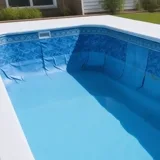
Pool liner services in Nashville
Pool Liner Replacement
A vinyl liner is the waterproof skin of the pool, and Nashville pools replace one every 5 to 15 years.
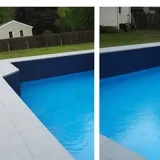
Vinyl Pool Liner
Almost every inground pool without a concrete or fibreglass finish is a vinyl-liner pool, and the liner is a consumable.
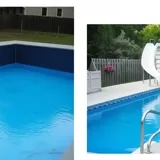
Inground Pool Liner
An inground liner is fabricated to your pool, not pulled off a shelf, so measurement quality decides the result.
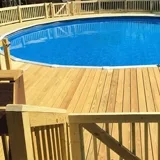
Above Ground Pool Liner
Above-ground liners are the cheapest job in this niche and the one homeowners most often try themselves.
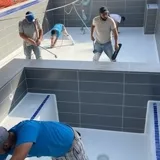
Pool Liner Repair
Not every liner problem needs a new liner, but the ones that cannot be repaired are usually the ones that get patched too long.
Pool Wall And Floor Repair
A new liner over a failing shell is money spent twice.
Areas we serve
Nashville
Pool liner replacement in Nashville, TN - costs, water and soil notes.
Franklin
Pool liner replacement in Franklin, TN - costs, water and soil notes.
Brentwood
Pool liner replacement in Brentwood, TN - costs, water and soil notes.
Murfreesboro
Pool liner replacement in Murfreesboro, TN - costs, water and soil notes.
Hendersonville
Pool liner replacement in Hendersonville, TN - costs, water and soil notes.
Gallatin
Pool liner replacement in Gallatin, TN - costs, water and soil notes.
Smyrna
Pool liner replacement in Smyrna, TN - costs, water and soil notes.
Mount Juliet
Pool liner replacement in Mount Juliet, TN - costs, water and soil notes.